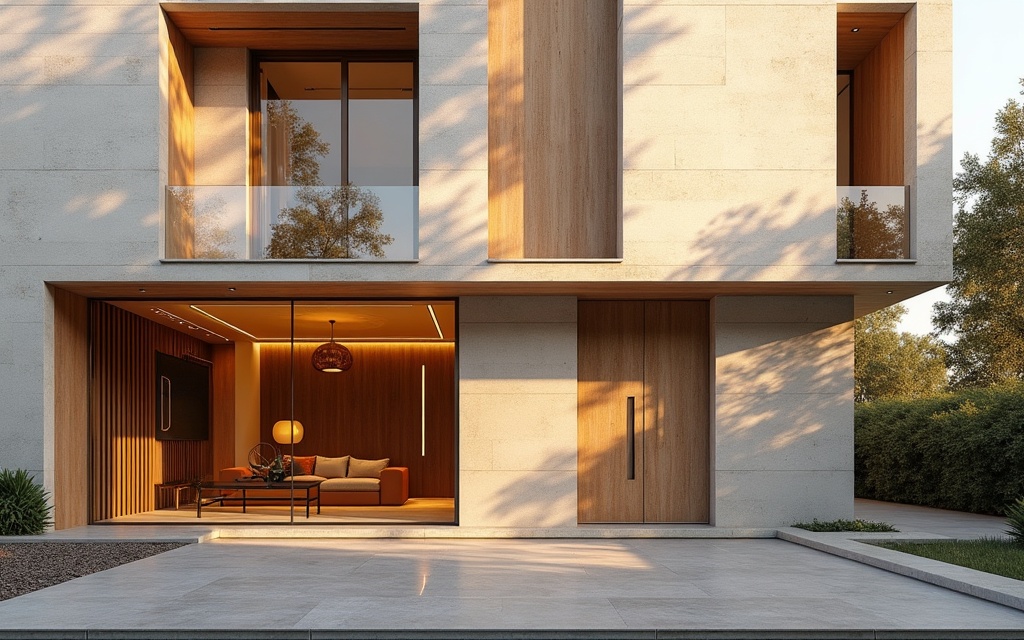
Why Exterior Wall Cladding Matters
Exterior wall cladding is one of the most impactful design decisions architects and developers face when planning a building. The cladding material determines not only the visual identity of a structure but also its long-term durability, thermal performance, and maintenance requirements. Among natural stone options, limestone and marble stand out as two of the most sought-after materials for exterior applications worldwide. Both are quarried extensively in Turkey, a country that supplies some of the finest stone varieties to international markets. Understanding the differences between limestone and marble for exterior cladding helps architects, builders, and stone buyers make informed procurement decisions that balance aesthetics with performance.
Understanding Limestone for Exterior Cladding
Limestone is a sedimentary rock formed over millions of years from the accumulation of shells, coral, and organic matter. This geological origin gives limestone its characteristic warm, earthy tones ranging from cream and beige to grey and honey. When used as exterior wall cladding, limestone offers several practical advantages that have made it a preferred choice for centuries.
Durability and Weather Resistance
Limestone is remarkably resilient when properly selected and installed. Dense, low-porosity limestone varieties such as Turkish Limra and Moca Cream perform exceptionally well in exterior applications, resisting freeze-thaw cycles, wind-driven rain, and UV degradation. These stones have been used on landmark buildings across Europe and the Middle East for centuries, demonstrating long-term reliability in demanding climates.
Thermal Mass Benefits
One of limestone's most valuable properties for building facades is its high thermal mass. The stone absorbs heat during the day and releases it slowly at night, helping to regulate interior temperatures and reduce energy consumption. This natural thermal buffering is particularly beneficial in Mediterranean and Middle Eastern climates, where temperature fluctuations between day and night can be significant.
- Low thermal conductivity reduces heating and cooling costs
- Natural insulating properties improve building energy ratings
- Consistent performance over decades without degradation
- Compatible with both traditional and modern ventilated facade systems
Marble as an Exterior Cladding Material
Marble is a metamorphic rock formed when limestone is subjected to intense heat and pressure deep within the earth. This transformation creates a crystalline structure that gives marble its distinctive veining patterns and polished surface. Turkish marble, particularly varieties such as Carrara-like whites and dramatic Emperador browns, has been prized since antiquity for monumental architecture.
Aesthetic Impact and Prestige
Marble cladding delivers an unmatched level of visual sophistication. The unique veining patterns in each slab ensure that no two facades are identical, creating architecturally distinctive buildings. For commercial developments, luxury residences, and cultural institutions, marble exterior cladding signals quality and permanence in a way that few other materials can match.
Considerations for Exterior Use
While marble offers extraordinary beauty, it requires careful evaluation for exterior applications. Some marble varieties are more susceptible to acid rain and environmental staining than limestone. Lighter-colored marbles may show atmospheric deposits more visibly over time. Proper sealing and regular maintenance are essential to preserve marble's appearance in exterior settings. Selecting the right marble variety — such as dense, low-porosity types available from experienced Turkish quarries — is critical for long-term exterior performance.
- Exceptional visual impact for landmark and prestige projects
- Requires professional sealing for exterior exposure
- Dense varieties offer excellent weather resistance
- Higher material cost reflects premium positioning
Key Comparison Factors for Your Project
When choosing between limestone and marble for exterior wall cladding, several factors should guide your decision:
Climate Compatibility
In regions with heavy rainfall or industrial pollution, limestone often outperforms marble due to its greater acid resistance. In dry, stable climates, marble's aesthetic advantages become more achievable with lower maintenance requirements. Your local climate data should inform your material selection alongside the architect's design vision.
Project Budget and Scale
Limestone generally offers a more cost-effective solution for large-scale cladding projects, with consistent pricing across slab and tile formats. Marble's higher price point is justified for feature walls, entrance facades, and projects where the visual impact justifies the investment. Many architects successfully combine both materials, using limestone for the majority of the facade and marble as accent cladding on prominent elevations.
Thickness and Installation Method
Both materials are available in thicknesses suitable for different cladding systems. For ventilated facades, 30mm panels are common for both limestone and marble. For traditional cement-based installations, 20-25mm thicknesses provide adequate structural performance. The weight of marble panels is typically comparable to limestone at equivalent thicknesses, so structural loading calculations are similar for both materials.
Making the Right Choice
The decision between limestone and marble for exterior wall cladding ultimately depends on your project's priorities. Limestone excels when durability, cost efficiency, and thermal performance are paramount. Marble delivers unmatched visual prestige for projects where the facade is a defining design element. Both materials are available in exceptional quality from Turkish quarries, and working with an experienced stone supplier ensures you receive properly graded, tested material backed by technical documentation. Atlasia Trading, as a leading Turkish natural stone exporter, sources both limestone and marble directly from quarries across Turkey, providing architects and developers with factory-direct pricing and full technical support for exterior cladding specifications.